
NEURO-INCLUSIVE WORKPLACES
A short introduction for staff

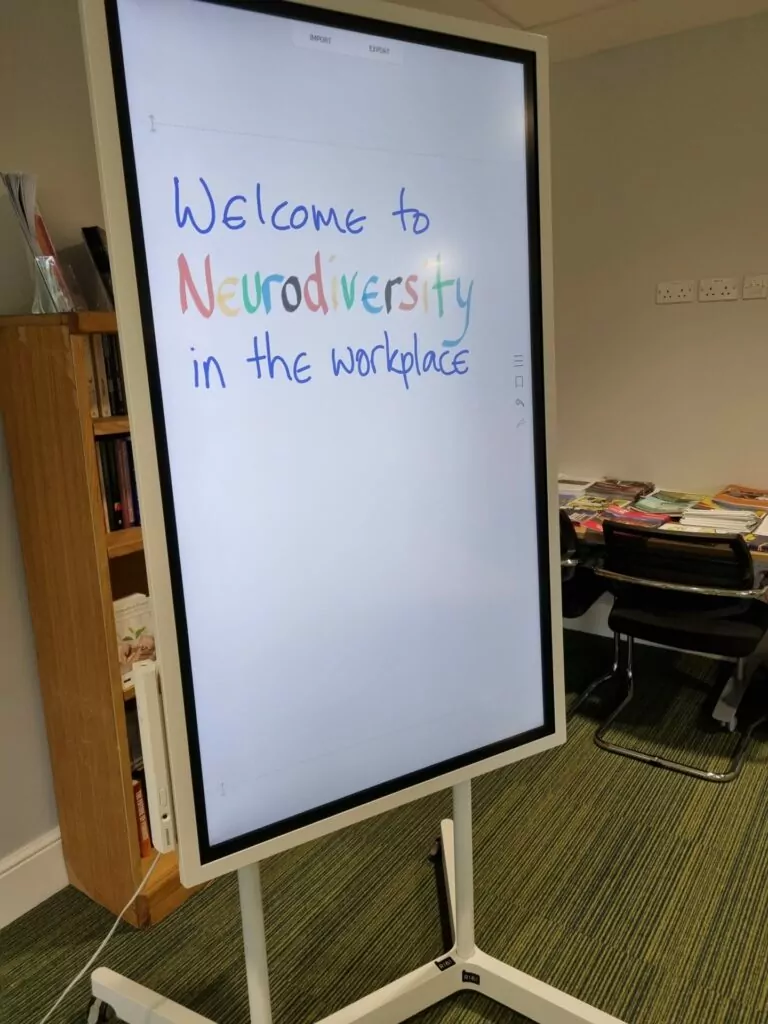
A CPD-accredited, one-hour seminar (webinar if delivered online), introducing the subject of neuro-inclusive workplaces.
The seminar uses an illustrated talk to introduce what neurodiversity is and to examine the barriers that workplaces put in the way of colleagues, clients and others who are autistic, dyspraxic, dyslexic or dyscalculic or have ADHD or Tourette syndrome. Participants have the opportunity to ask questions and make comments.
It explains how workplaces can become more neuro-inclusive, and equips participants to identify and implement changes that will reduce barriers.
It is an ideal short taster on the increasingly important subject of neurodiversity and neuro-inclusive workplaces.
Usual price: £120 (unions and non-profits); £240 (public sector bodies and large non-profits); £360 (private companies)
Red in the Spectrum is a member of the CPD Certification Service.
Enormous value
All trade union reps need to come on this training! Janine has used both her trade union and personal experience to develop and deliver a highly effective course which equips reps to become more confident in dealing with autism related issues both in their workplaces and their trade unions. At the WEA these courses were in high demand and hugely popular with consistently good feedback citing the enormous value in terms of new knowledge and awareness of autism.
Read about more of Red in the Spectrum's neurodiversity courses here.

Our Values: we believe
- that humanity is neurologically diverse and that this is beneficial
- that minority neurotypes bring strengths as well as challenges
- that your organisation will be stronger if it becomes more inclusive of neurodivergent people
- in the social model of disability, understanding that society disables people who have impairments and/or differences
- in the slogan ‘Nothing About Us Without Us’ – that barriers can only be removed by listening to neurodivergent people rather than talking over us
- in accessibility as standard, not ‘as required’
- that neurodivergent people need more than ‘awareness’: we need equality, rights and acceptance.
- that training is most effective when it is participatory and enjoyable
